Find everything you need to know about water filtration and purification right here on ThePerfectWater blog. From new Home Master products to water conservation tips we have all sorts of information about water! Learn more today or start shopping for the perfect water filtration solution now.
Hard water is something many of us deal with on a daily basis and it can be a real nuisance. So, what’s the best way to solve your hard water problem? First, it’s important to understand what hard water is and the impact it has on our homes.
What is Hard Water?
Hard water is simply water that contains a higher amount of dissolved minerals, specifically calcium and magnesium. Having more than seven grains per gallon (GPG) of dissolved minerals classifies the water as hard. The harder the water, the more minerals it contains. Water becomes hardened when it travels through rivers and aquifers where limestone and other rocks containing these minerals are present.
Do You Have Hard Water?
Now that you know what hard water is, how do you know if you have it, and if it’s affecting your household appliances and fixtures? Hard water affects many areas of our homes including hot water appliances, sinks, and showers. Here are some of the key signs to look for:
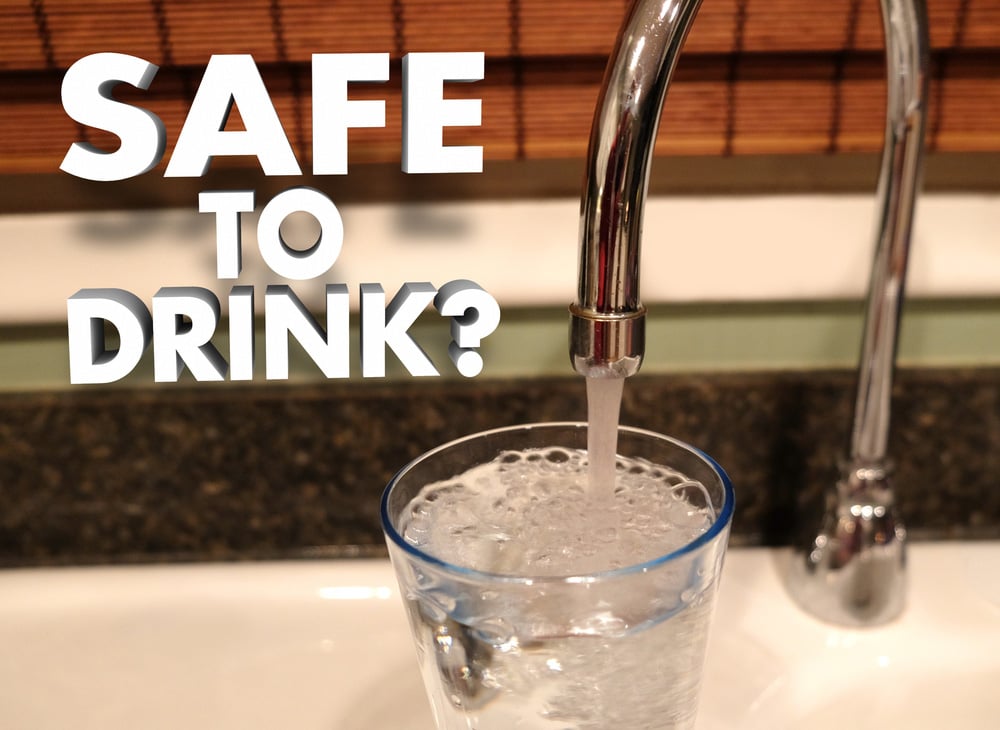
Nearly 300 million Americans get their tap water from public water systems. In the US, we have the infrastructure in place to provide us with instant access to freshwater, unlike many other parts of the world where people travel miles for drinking water or have to boil their water before using.
Recent news has gone on to reinforce the fact that regulated water sources here in the US are not always as pure as we assume. Oversights and mismanagement are causing water health crises in communities across the country. Consider Flint, Mich. where cost-cutting measures resulted in toxic drinking water containing lead and other pollutants being delivered to homes throughout the city. While this is an extreme case, it’s hardly an isolated incident.
Did you know you likely started off your day by applying a potentially cancer-causing substance to your body? 1,4-dioxane (commonly referred to as dioxane) is frequently found in everyday hygiene products such as shampoos, deodorants, and cosmetics. Levels of 1,4-dioxane in water have also been found and they are not currently being regulated. Understanding what 1,4-dioxane is exactly and what advanced filtration technologiescan remove it from your drinking water can help keep your family safe.