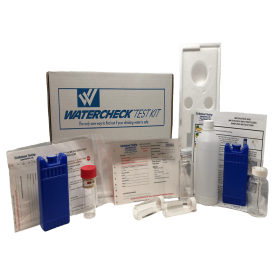
If you have a private well, please send us a copy of your most recent water analysis or get your well water tested so we can make a recommendation based upon the contaminants that are actually present in your water.
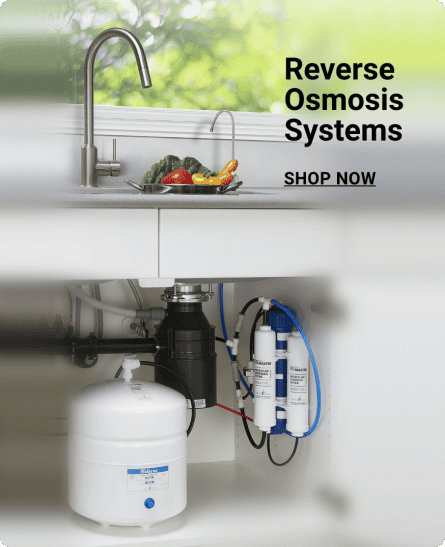
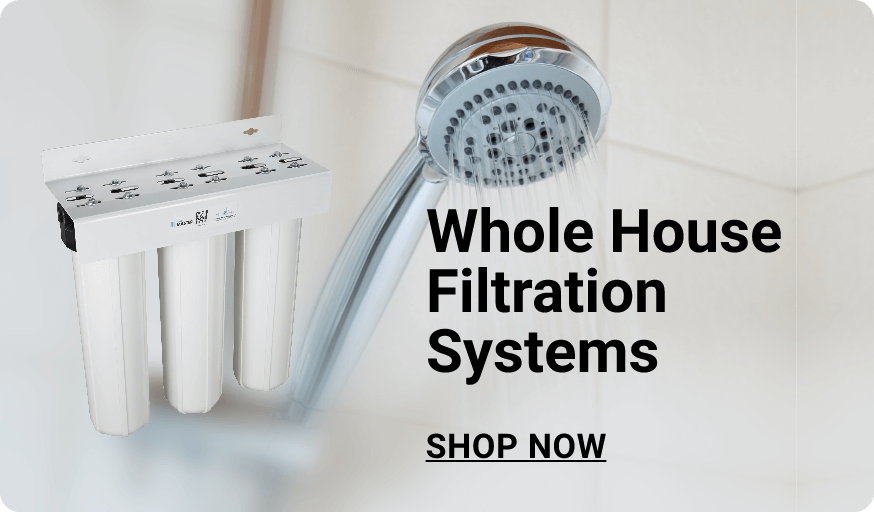
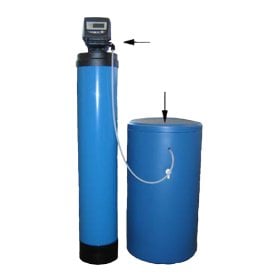
If you have city water please consider one of our Home Master Reverse Osmosis Systems for your drinking water, and a Whole House Conditioner/Softener to filter and condition your home's entire water supply.
The Main Differences Between Home Master® RO Models
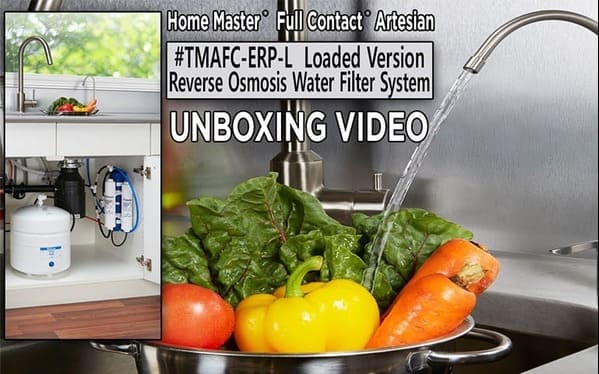
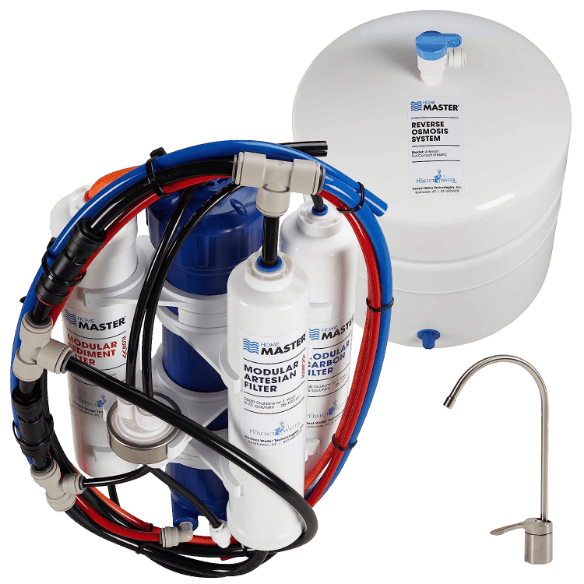
The Home Master Standard version of the powerful and well equipped Home Master Series Reverse Osmosis System. Fully assembled, complete kit for city water and most well water. Ready for simple installation.
If you have a private well on your land, please send us a copy of your most recent water analysis or get a water test so we can make a recommendation based upon the contaminants which are actually found in your well water and in what concentration. Note that there is no one single piece of water purification equipment that "does it all" for every contaminant and at every contamination level, making each water system set up unique. But no matter you need, we have water purification systems that will solve your water problems!
⇒ Send us your private well water report, and we'll reply with a recommendation. Email your water test results to: Support@ThePerfectWater.com or FAX 480-348-0235.
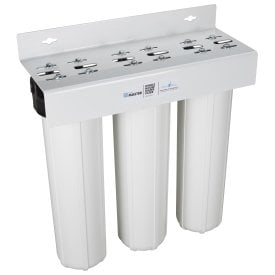
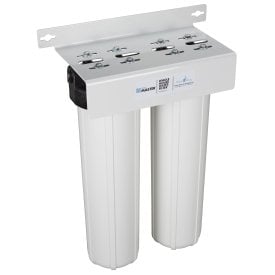
The Best Water Filters Need the Best Water Filtration Accessories and Replacement Filters. Unsure about what to buy? With a short call we will ensure you get the right tool for the job.
Perfect Water Technologies is proud to offer you this curated selection of our finest and best products. Please call customer service to review all available options to meet your needs, preferences, and your specific water filtration application. Options, not compromises.
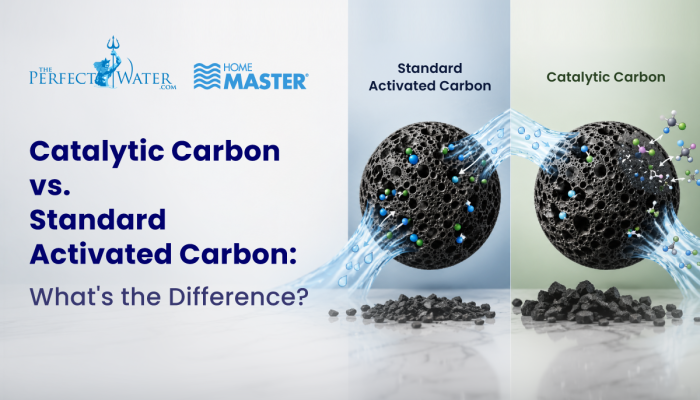
When comparing a catalytic carbon vs. an activated carbon water filter, the biggest difference is chloramine removal. Standard activated carbon is somewhat effective in chlorine removal, but catalytic carbon is made specifically to decompose chloramines, particularly in whole-house water filters where chlorinated municipal water is used.
Activated Carbon — Adsorption Process
Water flows through highly porous activated carbon with an extensive internal surface area.
Chlorine, volatile organic compounds, dissolved gases, and many other chemicals are captured primarily through adsorption, meaning they adhere to the carbon’s surface.
Catalytic carbon provides the same adsorption benefits while also promoting chemical reactions that improve the reduction of difficult contaminants such as chloramine and hydrogen sulfide.
Iodine rating: Expressed in milligrams per gram (mg/g), the iodine rating indicates the carbon’s relative activation level and capacity to adsorb small molecules within its micropores.
NSF/ANSI 58 certifies reverse osmosis effectively reduces TDS and contaminants such as cysts, chromium, arsenic, nitrate, VOCs, barium, turbidity, copper, fluoride, and lead when used as directed.
Home Master Reverse Osmosis Systems use NSF Certified components, ensuring you enjoy clean, safe, and great-tasting water when used as directed.
NSF/ANSI
42
STANDARD
NSF/ANSI 42: Filtration Standard
NSF/ANSI 42 establishes minimum requirements for systems designed to reduce non-health-related contaminants such as chlorine, taste, and odor when used as directed.
Home Master Filtration Systems use NSF Certified components, ensuring superior performance in improving the taste, odor, and overall quality of your water, when used as directed.
WATER PURIFICATION & FILTRATION SYSTEMS
Do You Have The Perfect Water?
Find The Best Water Purification & Filtration Systems with ThePerfectWater.com
Drinking water quality varies from place to place, but even the best tasting water supply is bound to have some impurities. If you want to enjoy the taste of pure water with no contaminants, you need a water purification system that can filter out whatever is in your local drinking water, reducing factors that change the flavor and removing contaminants like lead and chlorine that can have a negative effect on your health.
That’s the perfect water, and it’s what we push ourselves to deliver here at Perfect Water Technologies.
Reverse Osmosis Makes the Difference
How do our water filtration systems deliver pure water with no chemical aftertaste and up to 99% fewer contaminants than tap water? It's the reverse osmosis process, and it works by using pressure to force the water through a specially designed membrane to catch impurities on the way through. The result is clear, filtered water that you can count on every time you open the faucet.
Follow these 2 steps to ensure that you consistently enjoy the benefits of your new Home Master Reverse Osmosis System. #1 DIY install: Follow the installation instructions exactly. Call for clarification if the installation video doesn't match your application. Support emails are answered on weekends and holidays. #2 Inspect and maintain your system as directed. #HomeMasterPromise
Our Mission Is Providing You With Perfect Water
Our team has been providing water filtration technology for homes and light commercial use for nearly two decades. In 2002, we unveiled the “Tap Master” series of systems that used modular filters to improve longevity and ease of replacement. That was followed up a short time later with the “Tap Master” Artesian, which provided home customers with access to high quality filtered mineral water as an alternative to expensive bottled water purchases. Today, our wide selection of current Home Master models provides something for everyone, including the Full Contact Artesian for highly pure, refreshing Mineral Water on Tap®, and the HydroPerfection® 9 stage RO system for when overfiltration is just right.
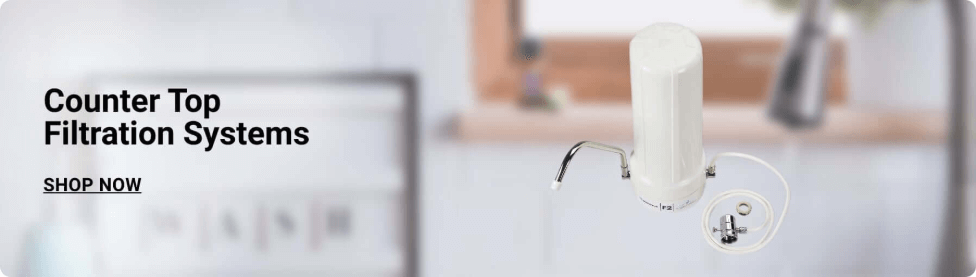
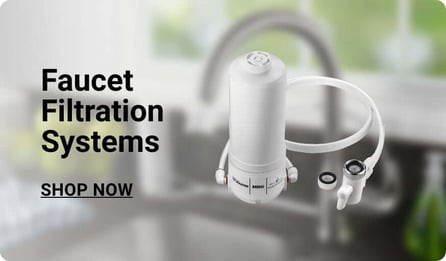
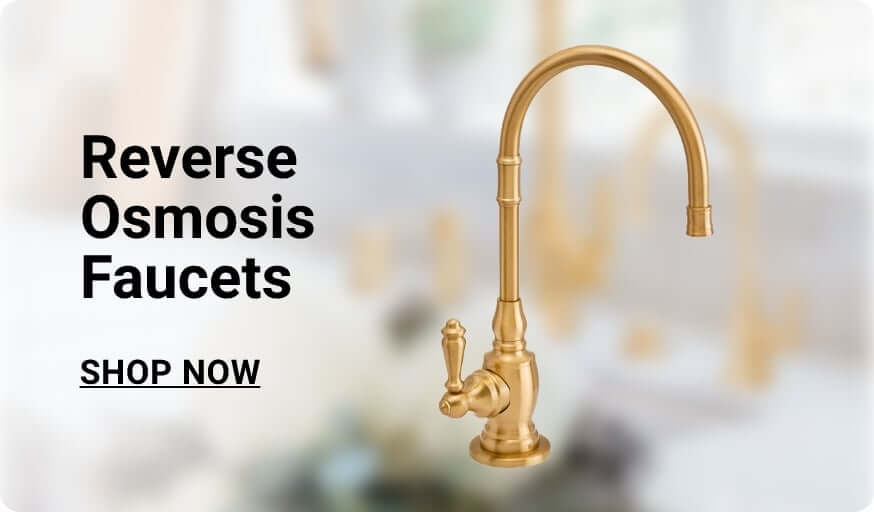
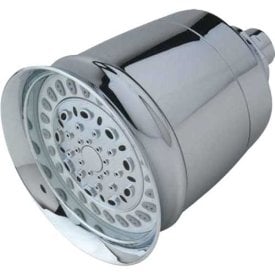
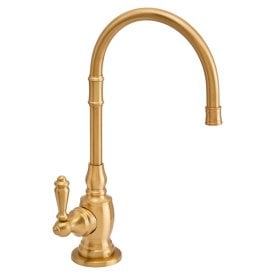
Also, explore our lines of whole house, countertop and RO faucet. Speak with our support team and we will ensure you get the right tool for the job.
Where To Begin
Start with FAQ I'm New to this, where do I begin, or our Buying guides to learn more about the basics, including different types of water filtration systems. Find out the difference between water filtration and water softening, learn more about your options, and get the guidance you need to begin shopping confidently. We’ve also got fast answers to a few common questions.
Which Water Filters Do I Need?
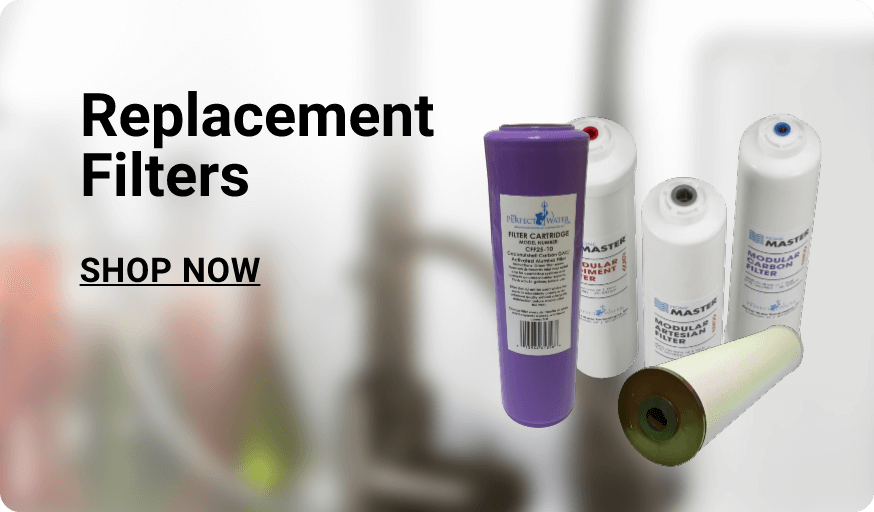
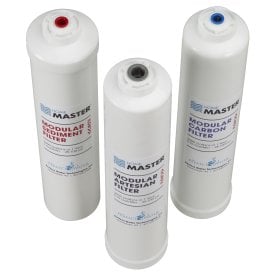
Please review our helpful FAQ, Which Filter Change Set Do I need, or the full maintenance schedule found in the installation instructions. Call our support team, and we will ensure you get a genuine Home Master replacement filter.
Do Your Filtration Systems Work With Well Water?
Yes! There might be some additional considerations if you have well water, but we have a guide designed to answer all your questions about installing our systems in homes that rely on an on-site well.
Where Can I Ask More Questions?
If you have questions that haven’t been answered yet, our team is happy to help you find what you need. Just contact us for more information about products, warranty registration, or other questions about our water filtration systems.