Hard water is a common issue affecting numerous households worldwide. Its prevalence stems from geological factors and the natural composition of water sources. Hard water contains high concentrations of minerals like calcium and magnesium, which contribute to its hardness. While these minerals can impact human health, such as in the case with kidney stone formation, they most certainly adversely affect our pipes, fixtures, appliances, and overall water quality.
The geological origins of hard water vary depending on the region. Certain areas have a higher concentration of mineral-rich rock formations, resulting in higher levels of hardness in the water supply. Understanding the prevalence and sources of hard water in your area is crucial in determining the appropriate hard water treatment methods.
The minerals present in hard water can create several problems within your plumbing system. Over time, they accumulate and form limescale deposits, clogging pipes, faucets, and showerheads. This
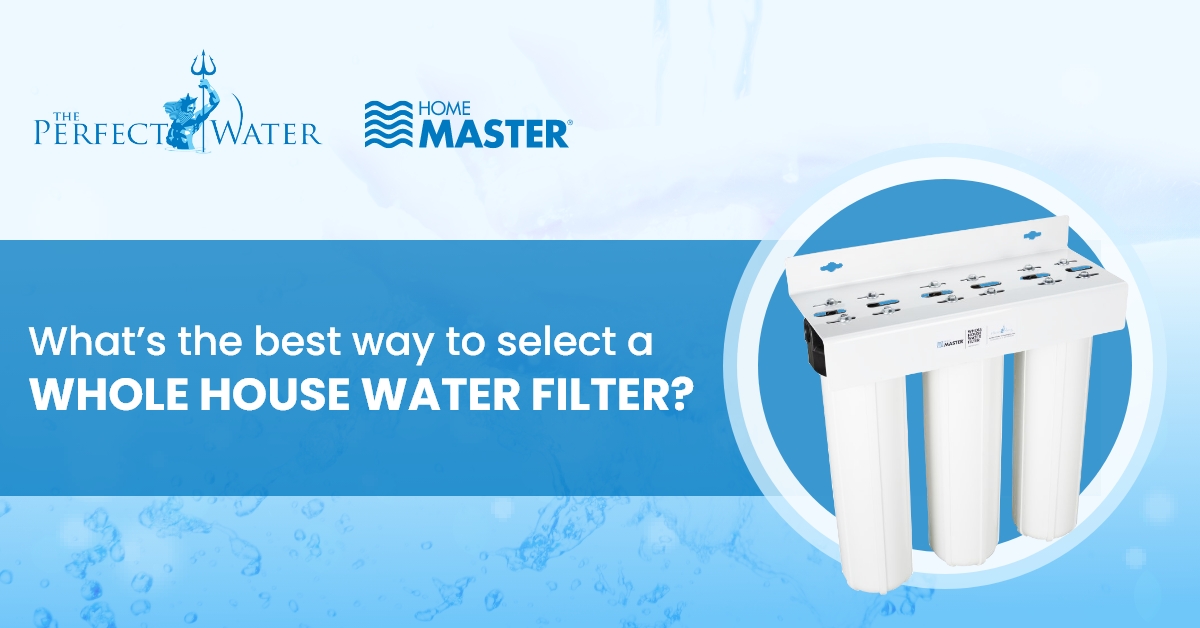
A whole house water filter refers to a filtration system that removes contaminants from a home’s entire indoor water supply. Homes with a municipal water supply have their water line split at the meter into outside landscaping water and indoor house water. Private well water systems may split into indoor and outdoor lines at different points (check your plumbing plans). Whole house water filters help remove waterborne contaminants like chlorine, disinfection byproducts, chemicals, sulfur, iron, microplastics, soluble heavy metals, and more from the water, thereby bringing cleaner water to every tap in your house - toilets, shower, bath, dish, and clothes washers, etc. Additionally, water filters also treat the water to eliminate suspended particles, sediment, dirt, silt, clay, and organic matter. To treat hard water, scale, a water softener is recommended.
According to a 2022 report, 77% of Americans filter their drinking water at home and this figure is steadily growing. Although the
Water chemistry plays a critical role in human health, environmental systems, and industrial processes. Among the most important indicators of water quality are pH (potential of hydrogen, from the Latin pondus hydrogenii) and alkalinity.
While these terms are often used interchangeably, they measure fundamentally different properties. pH reflects how acidic or basic water is at a given moment, while alkalinity describes the water’s ability to resist changes in pH, its buffering capacity. Together, they provide a more complete picture of water’s chemical stability and behavior.
Understanding the distinction between pH and alkalinity is essential for:
Making informed decisions about your drinking water
Evaluating claims around alkaline water versus Reverse Osmosis water
Determining when water treatment or purification may be necessary
This guide clarifies the differences between pH and alkalinity, outlines regulatory perspectives on safe alkalinity levels in drinking water, and examines
The World Health Organization (WHO) report estimated that 2.2 billion people worldwide lack access to safe drinking water sources. Contaminants such as bacteria, viruses, heavy metals, pesticides, and pharmaceutical residues pose significant health risks. Another study conducted by the Environmental Working Group (EWG) revealed that tap water in the United States contains over 300 potentially harmful contaminants. These include lead, arsenic, and PFAS chemicals, known to have adverse effects on human health.
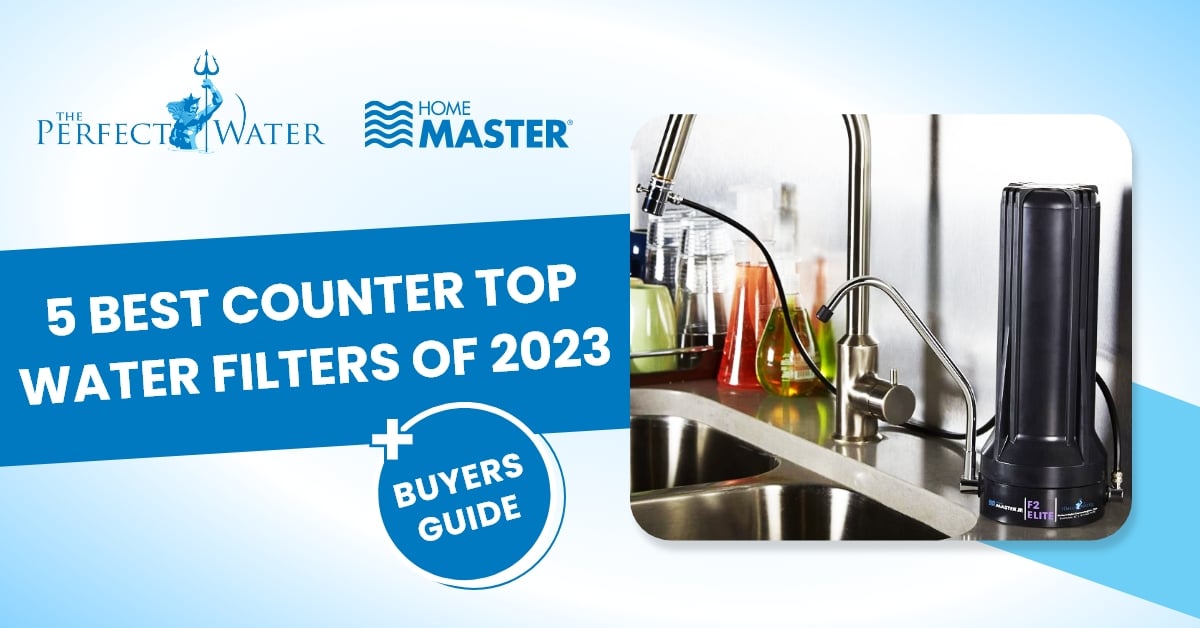
Recent statistics reveal the alarming extent of water contamination and emphasize the crucial need for reliable countertop water filtration systems. At Perfect Water Technologies, we recognize the significance of and offer some of the best countertop water filters for protecting your health and enhancing your overall well-being.
Importance of Countertop Water Filters
Countertop water filters play a vital role in ensuring affordable and easy access to clean and healthy drinking water
One in nine people worldwide uses drinking water from unimproved and unsafe sources. While the US has regulations in place, there have been a few instances of compromised water quality. In a recent survey by The Guardian, 118 out of 120 samples had detectable levels of lead! This pulls more weight on reviewing the drinking water’s purity before consuming it.
When it comes to consumption, it becomes essential to check the quality of water. Our digestive system is built in such a way that it breaks down and absorbs nutrients from whatever we consume. Amidst the process, if we consume contaminated water, it can cause health issues like gastrointestinal diseases, infectious diseases, diarrhea, constipation, dehydration, kidney stones and more.
The human body takes 10 to 73 hours for digestion and it is during that time the water gets absorbed into the bloodstream and excess liquids make their way out through the kidneys. Water absorption plays a key role in your digestion as it helps you
Kidney stones are becoming common in the US, and recent research by Kidney.org states that one in ten individuals develop kidney stones in their lifetime. If we look closely into this, there can be several reasons that lead to the condition of kidney stones in an individual. Dehydration or excessive loss of fluid due to sweating is one of the causes that form calcium oxalate crystals in kidneys, ultimately converting into kidney stones.
Moreover, even if you have had a personal history or family history of kidney stones, you can develop kidney stones further. Harvard Health states that about half of the people who have had kidney stones once, strike again within seven years without preventive measures.
Being mindful of your hydration and the quality of your drinking water is the first step toward prevention of the kidney stones. Purified water decreases the risk of calcium-citrate and calcium-oxalate buildup in your body, thus decreasing your risk of kidney stones. Kidney stones have
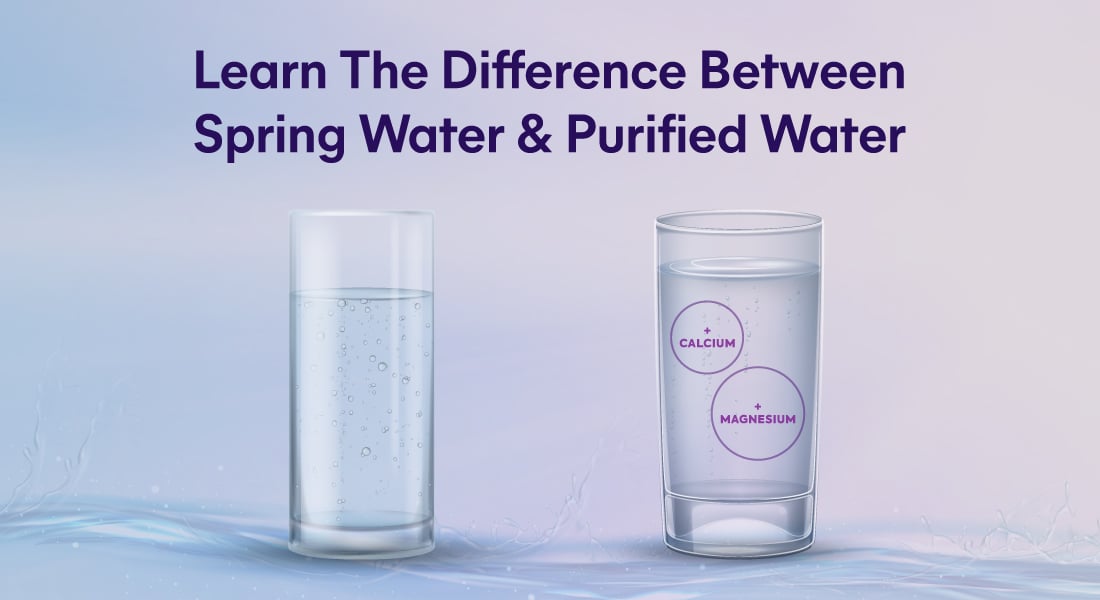
The debate between spring water vs. purified water remains alive, as marketing claims make it increasingly difficult to understand the difference and decide which to choose. Spring water labels emphasize words like “natural”, “pure”, and “mineral-rich”, while filtration companies focus on the Purified Water’s contaminant removal, safety, and taste. Buyers tend to treat both as equally “pure,” even though they are judged by completely different standards.
Preference for natural sources sits alongside preference for controlled, consistent filtration at home, and both instincts appear reasonable to buyers. But, the underlying trade-off between source and treatment, variability and reliability, bottled convenience, and household access. Without separating these ideas, the choice remains blurry.
And clarity begins with understanding how spring water and purified water differ.
What is Spring Water?
The FDA explains spring water as water that naturally rises from underground sources to the surface.
Home water quality can vary dramatically depending on where you live. While municipal water coming into the home has been treated, many homeowners are still using and drinking water which contains chemical disinfectants, chlorine, heavy metals, radionuclides, microplastics, and other contaminants for which no testing is required.
Treated water can become contaminated with chemicals and other health hazards, which is why whole house water filtration systems are rising in popularity today.
These “Point of Entry” systems filter all water coming into the home (not just drinking water at the point of use). By installing the filter at the main water line, it ensures that the water in the shower, bath, and kitchen sink has been filtered.
How Does a Whole House Water Filter Work
So how does a whole house water filter work?
A good filter for municipal water will contain a sediment filter to remove the dirt, sand and suspended particles that plug-up your aerator screens, and clog your appliances,
If you’re looking for a convenient way to improve the taste and safety of your home drinking water, a reverse osmosis system may be a wise investment. Reverse osmosis systems have gained greater popularity over the years, thanks to their ease of use, fill rate, and the healthy water that they produce.
But how does a reverse osmosis system work, exactly?
Check out our guide to learn everything you need to know about reverse osmosis, including the cost and benefits of ownership.
What Is a Reverse Osmosis System?
So what is a reverse osmosis system? This product is designed to improve the safety and health of drinking water by removing contaminants from your home’s water.
A reverse osmosis system can remove up to 99% of the large and small suspended particles that may be found in untreated or even treated water, and dissolved solids like salt, fluoride, metals, and more.
The process removes contaminants by using pressure to send water through a semipermeable membrane, which rejects virtually
Tap water is treated to make it safe, but that does not mean that your tap water is free ofwaterborne contaminants. It may also have qualities to it that negatively impact its taste.
Filtering water is often the answer, but which filtration method should you use? One of the best is reverse osmosis.
How Does Reverse Osmosis Work?
Reverse osmosis works by putting a solution under pressure and forcing it through a filter, which allows the smaller molecules of water to pass through while leaving the larger molecules of the contaminants on the other side. This allows it to remove most contaminants (in fact, it's part of the process of desalinating seawater to make it drinkable). It's called reverse osmosis, because the high pressure reverses the natural process of contaminants flowing through a membrane from contaminated liquid to clean liquid. It's even used in some other processes, such as purifying maple syrup.
This works better than typical charcoal-based filters at getting rid of excessive