Two popular choices often spark debate when it comes to hydration. They are vitamin water vs RO water (reverse osmosis water). Both offer unique benefits and drawbacks, making the decision a matter of individual preferences.
What is Vitamin Water?
Vitamin water is a healthy beverage that combines hydration with the benefits of added vitamins and minerals. It contains vitamins A, B3, B5, B6, B12, C, and E to maintain body strength and function. Other ingredients found in vitamin water are minerals like Calcium, Magnesium, and Zinc. Vitamin water is a healthier alternative to sugary sodas or sports drinks.
Detox water is simple, normal water infused with added natural ingredients like fruits, vegetables, and herbs to remove toxins from the human body. The common natural ingredients for detox water are lemon, mint, ginger, cucumber, and berries, which add flavors and nutrients to normal water and enhance its taste to make it enjoyable to drink with certain health benefits. As these ingredients, like fruits, vegetables, and herbs, get soaked into normal regular water, they release nutrients and respective flavors into the water and infuse it for health benefits. Some individuals prefer detoxification water as the first drink of the day and later on continue throughout the day in small portions to stay detoxed and healthy.
Clean, safe drinking water is essential for maintaining good health and well-being. Unfortunately, harmful microorganisms such as bacteria, viruses, and cysts can compromise water quality, leading to severe health risks. These contaminants often enter water supplies through various pathways, including environmental factors, inadequate sanitation, and infrastructure issues. Understanding how these microorganisms infiltrate drinking water, their associated health risks and the most effective treatment methods is crucial to protect yourself and your loved ones. This knowledge empowers you to make informed decisions about your water supply and ensures peace of mind with every sip.
Understanding Bacteria, Viruses, and Cysts
When discussing water contamination, it's essential first to understand the microscopic culprits that may infiltrate our water systems – bacteria, viruses, and cysts. These microorganisms pose varying levels of risk, and their presence underscores the importance of advanced
The U.S. Centers for Disease Control and Prevention (CDC) defines Reverse Osmosis (RO) systems as “Reverse Osmosis Systems use a process that reverses the flow of water in a natural process of osmosis so that water passes from a more concentrated solution to a more dilute solution through a semi-permeable membrane. Pre- and post-filters are often incorporated along with the reverse osmosis membrane itself.”
Reverse Osmosis (RO) is a water purification and filtration process that uses a semi-permeable membrane to filter out the impurities and contaminants from source water. According to the United States Environmental Protection Agency (EPA), “RO is the process by which pressure forces water through a semi-permeable membrane, creating a stream of treated water, called ‘permeate,’ and a stream of reject water called ‘concentrate’ or ‘brine.’”
The semi-permeable membrane of RO usually has a pore size of around 0.0001 microns to filter out harmful impurities
Installing a water softening system is a crucial step in ensuring the best possible water quality in your house. Showering and drinking are only two of the many daily activities that might be impacted by hard water. Our goal at The Perfect Water is to provide innovative water filtration systems that address these problems. This article will discuss the importance of a water-softening system and all of its benefits for showers and drinking water.
Understanding Hard Water
Hard water is indicated by high amounts of dissolved minerals, particularly calcium and magnesium. These minerals might cause a home to encounter several issues. According to estimates from the U.S. Geological Survey, 85% of American homes have hard water. These minerals can irritate or leave behind residues on your hair and skin, raise the possibility of scale accumulation in pipes and appliances, and lessen the cleaning power of detergents and soaps. The taste and purity of your drinking water might also be affected by
According to Maslow’s Hierarchy of Needs, clean water is the first need. Municipal tap water often looks clean, but it can contain various contaminants like lead, chlorine, chloramines, disinfection byproducts, pharmaceuticals, and dead organic matter. Water taken from a private well can contain pesticides, herbicides, iron, manganese, sediment, pH issues, and more.
Consuming contaminated water can be detrimental to health and sometimes lead to serious health issues. According to research, contaminated water causes diseases like cholera, dysentery, diarrhea, typhoid, and polio. Around 7.2 million Americans get sick every year from diseases spread through water. It costs the US healthcare system over $3 billion. Considering all these facts, people have grown extra cautious with the quality of water they are using. They prioritize their health and use water filtration systems to access safer water supplies.
Through this article, we shall shed light on both why a whole-house water filtration
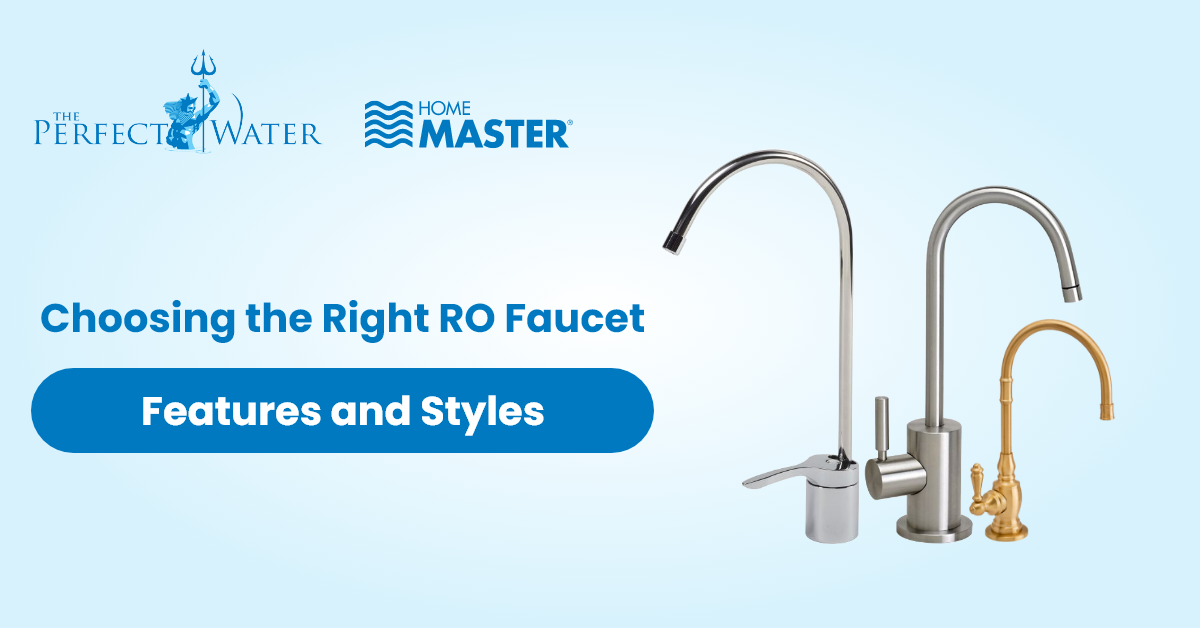
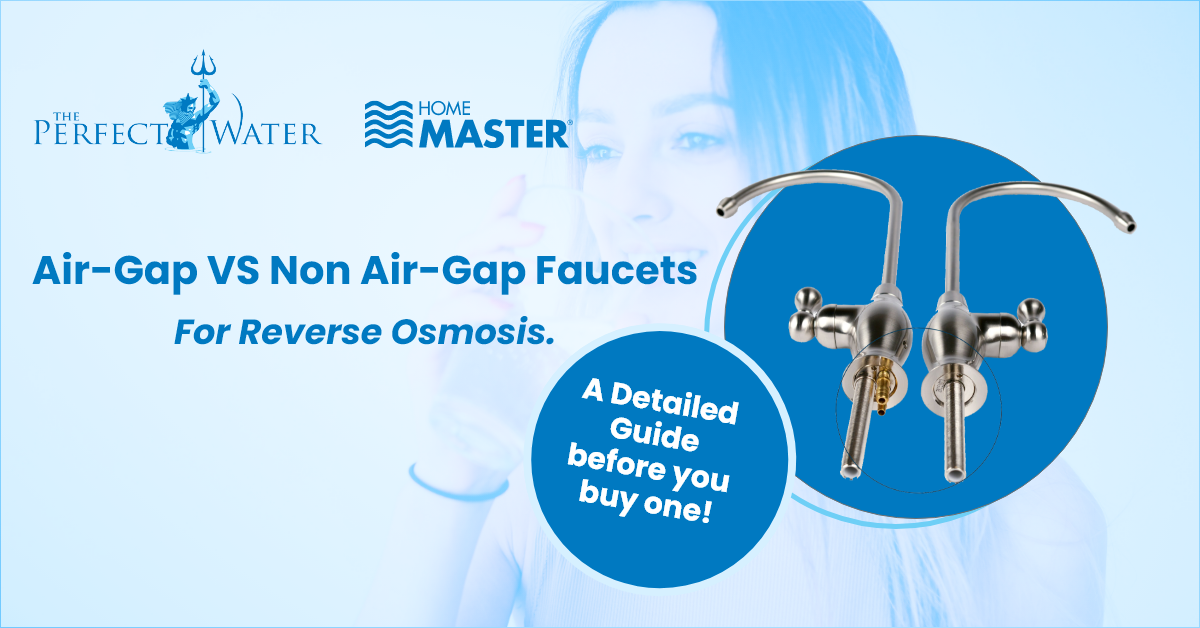
Ensuring access to clean, safe drinking water in our homes is vital. This blog explores the faucet options for use with Reverse Osmosis Systems where one has the ability to draw highly purified water for drinking and cooking from a separate RO Faucet. By exploring its unique mechanism, installation process, benefits, and role in a kitchen style, we dig into how this fixture addresses water contamination and impurities while providing households with an efficient solution for fetching pure and healthy water in style.
Importance of RO faucets in water filtration systems
Reverse Osmosis (RO) faucets are either affixed directly to the kitchen sink’s surface (surface mount) or to the countertop resting on top of the sink (under mount). Specifically designed for under-counter filters, these faucets are usually made of metal or plastic with a handle or lever for opening and closing the water stream, a base, a styled spout from which to dispense the water, and ideally a style that complements the
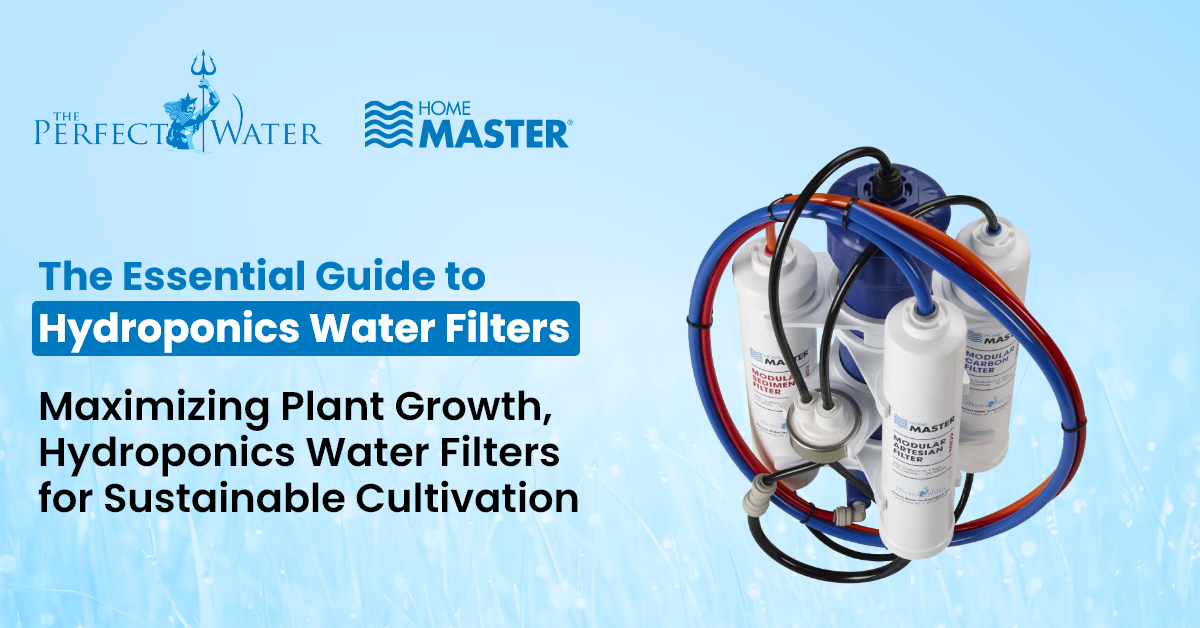
With the increasing popularity of hydroponics as a sustainable and efficient method for plant cultivation, it is essential to understand the crucial role hydroponic water filters play in this innovative gardening technique.
The Increasing Popularity of Hydroponics for Plant Cultivation:
Hydroponics has been gaining increasing popularity as an innovative and sustainable method for plant cultivation. The technique's ability to grow plants without soil and with reduced water consumption has attracted the attention of modern farmers, gardeners, and horticulturists worldwide, both professional and amateur. The popularity of hydroponics for plant cultivation has been steadily increasing, driven by several factors such as its efficiency, water-saving capabilities, and the growing interest in sustainable agricultural practices. Here’s more about it:
Global Hydroponics Market Growth:
The hydroponics market has experienced substantial growth in recent years and is projected to continue expanding.
“The quality of water, whether it is used for drinking, irrigation, or recreational purposes, is significant for health in both developing and developed countries worldwide.” - World Health Organization (WHO)
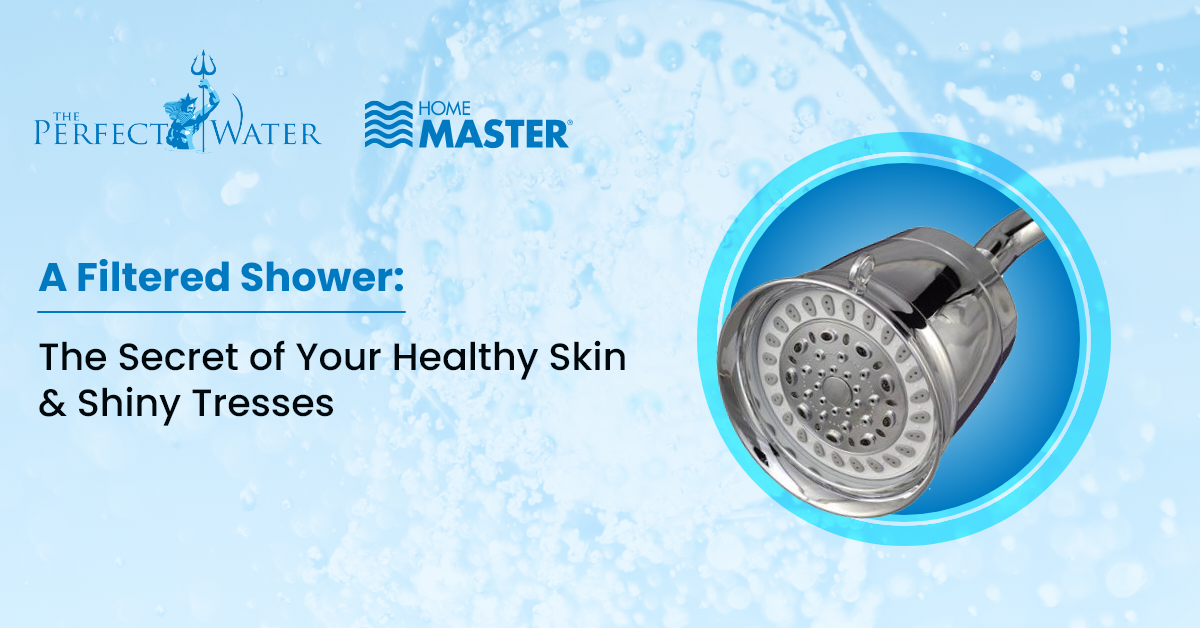
Maintaining personal hygiene is a process that enhances overall well-being. Sadly, this experience is negatively impacted by hard water and water with too many contaminants that result in many skin and hair problems. Water quality impacts on overall health, hair, and skin, as well as the use of shower filters for healthier hair and skin, are discussed herein.
Importance of water quality for our overall health
Clean and pure water is essential for various facets of human life, including hydration, food preparation, and personal hygiene. Water quality plays a vital role in maintaining our overall health and well-being, too. Water quality impacts our overall health in numerous, well-understood ways. Using contaminated water can lead to various health issues, such as waterborne infections,
Reverse osmosis effectively removes impurities from well or municipal water, known as feed water, by exerting pressure to propel it through a semipermeable membrane. This process allows water to move from the higher concentration region (with more contaminants) of the reverse osmosis membrane to the lower concentration region (with fewer contaminants), resulting in the production of purified drinking water.
The resultant purified water is referred to as permeate, while the residual concentrated water is commonly known as waste, concentrate, or brine. RO membranes demonstrate a remarkable capacity to selectively reject a substantial majority, ranging from 95% to 99%, of dissolved solutes encompassing organic constituents, and inorganic constituents from the feed water, thus ensuring the potable water is suitable for consumption purposes after filtration.