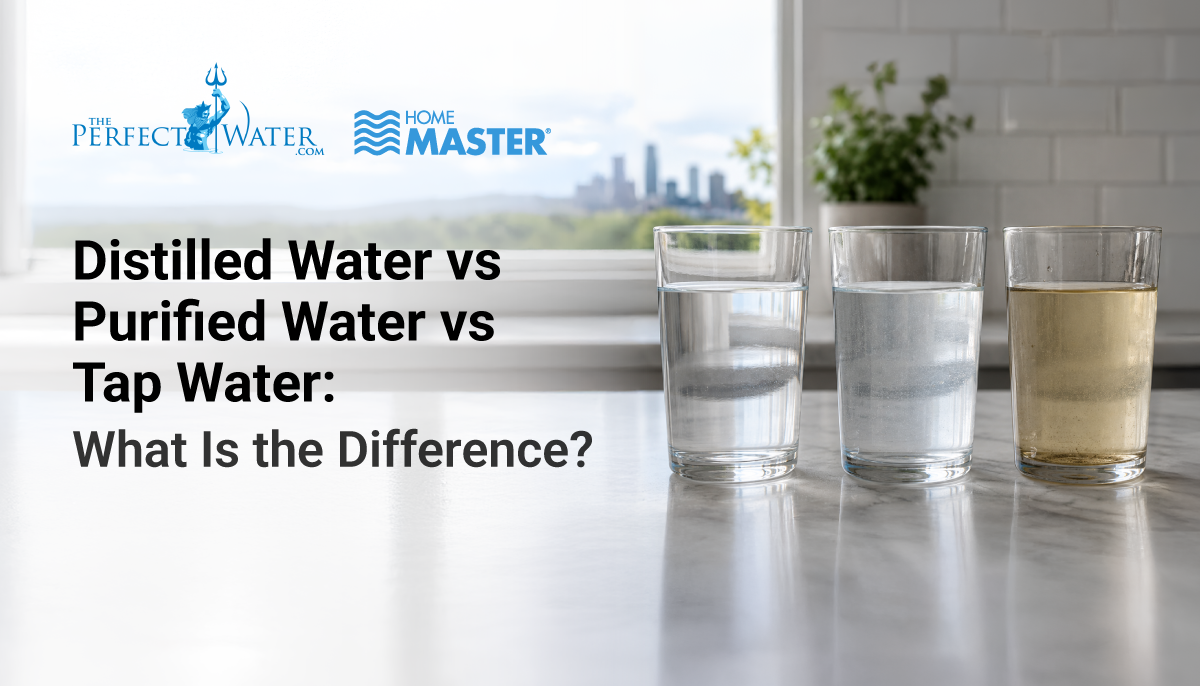
Filtered water, distilled water, and tap water differ mainly in how they are treated and what they contain. Tap water is municipally treated and may contain chlorine, trace contaminants, and unknown contaminants not subject to regular monitoring. Filtered water removes many impurities while retaining some minerals. Distilled water is boiled and condensed into nearly pure H₂O with almost no dissolved minerals or contaminants.
Quick Summary
Tap water is municipally treated but may still contain chlorine, lead, PFAS, and other trace contaminants depending on location and pipes.
Filtered (purified) water removes most impurities while retaining some beneficial minerals, making it a good option for daily drinking.
The purest form is distilled water, which removes almost all impurities and minerals, but it should not be consumed daily.
Reverse osmosis (RO) is the most effective home filtration method, removing up to 99% of contaminants, including PFAS, fluoride, and heavy metals.
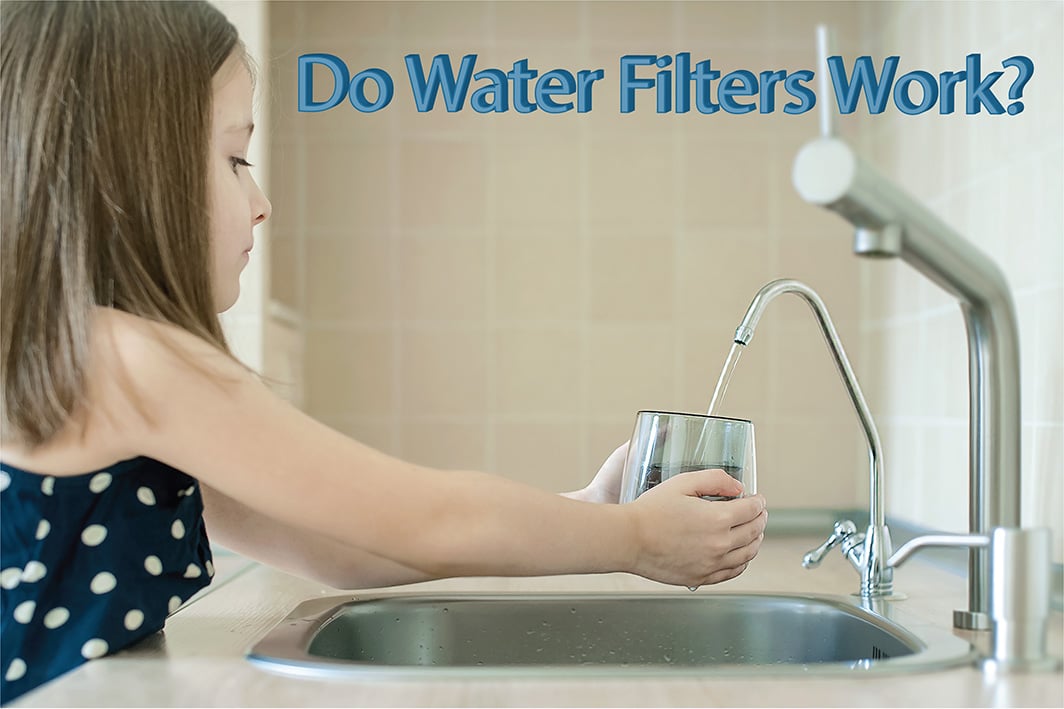
One of the first questions new clients ask before making a purchase decision about a water filtration system, is whether or not they work, and then usually how they work. It's understandable, since filtering water usually means removing tiny contaminant particles that don't change its appearance. When you see a survival filter turn brackish water into pure, drinkable water, it's easier to know that something actually happened. The issue is, most water isn't that polluted, and yet, it still contains contaminants. So, do water filters actually work? Well, that depends on what you're expecting them to do and what type of filter you choose for that job.
How Do Water Filters Work? It Depends on the Type
The two most popular mechanisms for home filters are both well-established and well understood technologies. Carbon filtration is the first kind of filtration, with which people tend to be most familiar. Carbon filters are the most common filter for aquarium water cycling systems, portable water
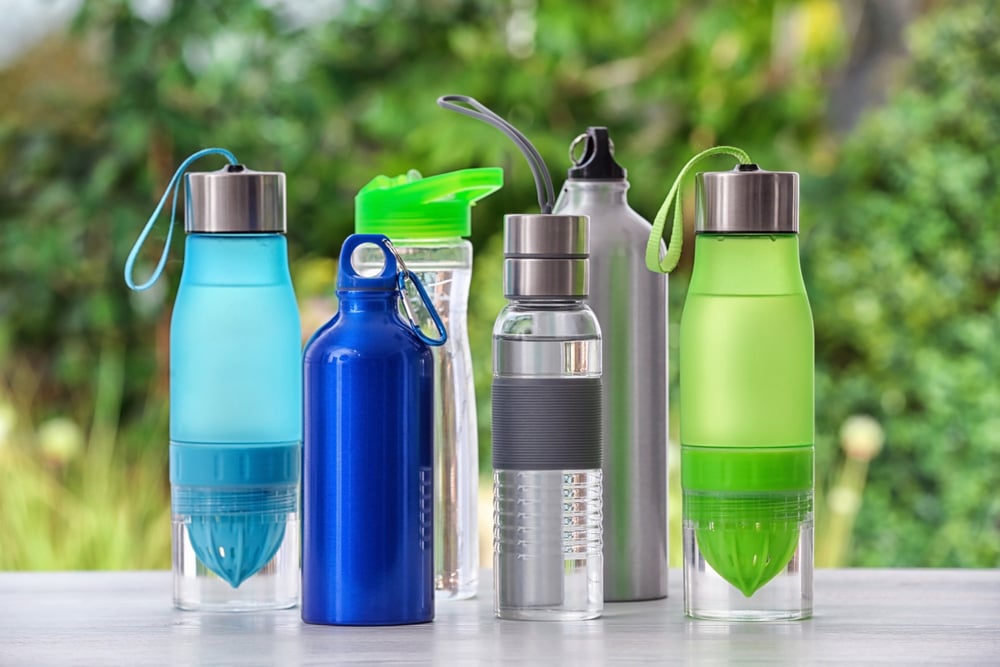
We put a lot of thought into where our water comes from and how it will be filtered. But have you given much thought as to what type of water bottle you should be drinking from? There are a number of options on the market, some safer and healthier than others. Before making a reusable water bottle purchase, it’s important to understand all the factors at play, including the material, price, and whether or not it’s dishwasher safe and of course, once you find the best container, you’ll want to give just as much thought to your drinking water sources as well.
Reusable Water Bottles Options
Plastic - In recent years, most plastic bottle makers have shifted away from using bisphenol-A (BPA) after studies showed that the chemical has been linked to cancer, ADD, asthma and other health conditions. That’s why you often see a sticker or label declaring a bottle BPA-free. But does that mean plastic is safer? Not necessarily. Many bottle makers shifted to using bisphenol-S (BPS) as a “safer” alternative.
Approximately 15 percent of Americans rely on private wells as their primary source of drinking water according to the Environmental Protection Agency (EPA). While public water systems are required by the EPA under the Federal Safe Drinking Water Act to test for certain contaminants, and to take action when contaminant levels exceed defined thresholds (Maximum Contaminant Level (MCL)), private wells fall outside of the EPA’s rubric.
Who is responsible for the quality of well water?
Some state governments regulate private wells at the time it is dug and when the property in which it resides is bought or sold. However, it’s the well owner’s ongoing responsibility to monitor the quality of the water drawn from the private well and treat it if its contaminant levels exceed the MCL or state action level. Through recommend action levels, the state can spur treatment of well water contaminants for which no federal MCL exists, in order to reduce health risks.
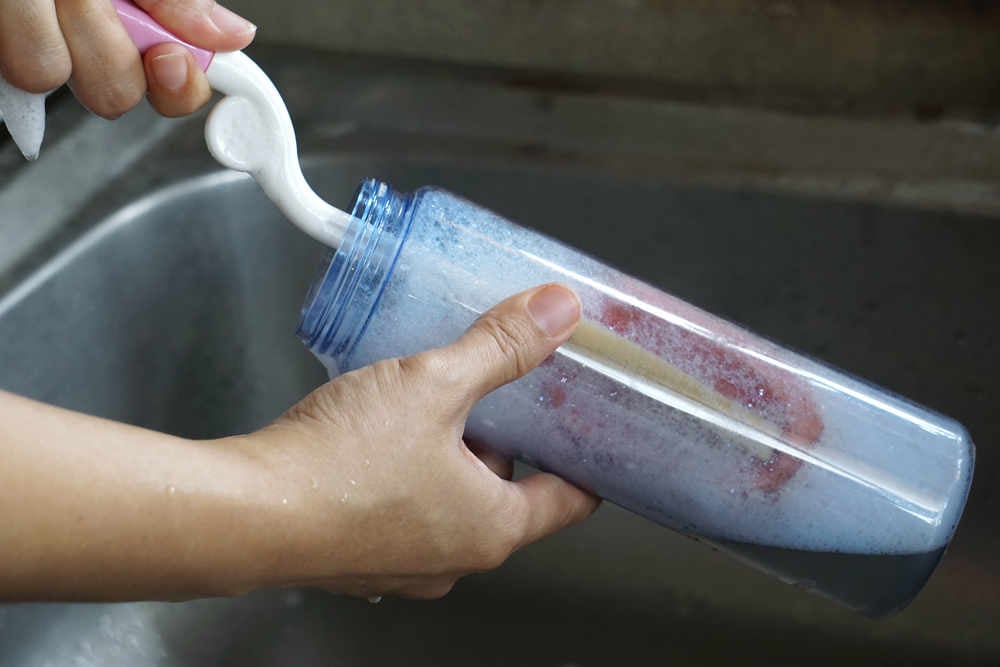
We recently told you about types of reusable water bottles that are the best way to save money and reduce waste while still enjoying great-tasting filtered water. But, even the fanciest of canteens won’t do you much good if you don’t clean your bottle properly.
Used water bottles can harbor a plethora of germs if not cleaned out on a regular basis. Bacteria loves to collect in moist environments. Some studies have even shown the presence of E.coli and salmonella in unwashed water bottles.
Never fear – we’re here to offer some simple cleaning tips that will keep your health in-check and preserve the integrity of your filtered water so you can hydrate confidently and safely.
While dishwashing works well for glass water bottles, we recommend hand washing for metal, plastic, or mixed-medium bottles as it will help extend the life of the colors and designs. Handwashing is also best for bottles with smaller mouths or more intricate tops to ensure all areas are properly cleaned.
A lot of what we think about water comes from conventional wisdom, but we don’t spend a lot of time looking into where that wisdom comes from—or if it’s even as wise as it claims to be. Once you start digging around, however, you might be surprised to discover the real story. Water can contain many contaminants and chemicals that can enter your body through unfiltered drinking water. Most people know they need to be worried about clean water, but they might not know how water impacts their body and what steps they can take to filter harmful chemicals out at home.
Let’s take a look at the truth behind five common assumptions about water.
5 Myths About Water Debunked
Drink 8 Glasses of Water a Day - Interestingly, no one is really sure where this myth comes from. The prevailing theory is that someone turned a report that stated people generally drink eight cups of fluids a day into some sort of daily water intake mandate. That’s not to say you shouldn’t drink a lot of water, but remember
Hard water is something many of us deal with on a daily basis and it can be a real nuisance. So, what’s the best way to solve your hard water problem? First, it’s important to understand what hard water is and the impact it has on our homes.
What is Hard Water?
Hard water is simply water that contains a higher amount of dissolved minerals, specifically calcium and magnesium. Having more than seven grains per gallon (GPG) of dissolved minerals classifies the water as hard. The harder the water, the more minerals it contains. Water becomes hardened when it travels through rivers and aquifers where limestone and other rocks containing these minerals are present.
Do You Have Hard Water?
Now that you know what hard water is, how do you know if you have it, and if it’s affecting your household appliances and fixtures? Hard water affects many areas of our homes including hot water appliances, sinks, and showers. Here are some of the key signs to look for:
Nearly 300 million Americans get their tap water from public water systems. In the US, we have the infrastructure in place to provide us with instant access to freshwater, unlike many other parts of the world where people travel miles for drinking water or have to boil their water before using.
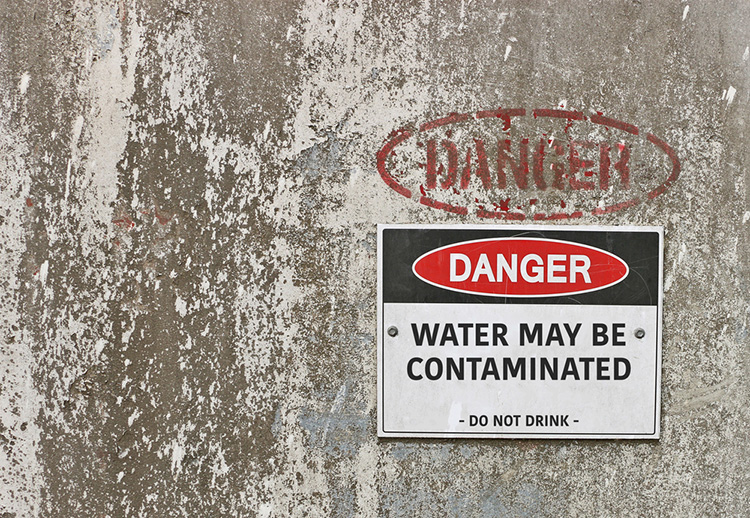
Recent news has gone on to reinforce the fact that regulated water sources here in the US are not always as pure as we assume. Oversights and mismanagement are causing water health crises in communities across the country. Consider Flint, Mich. where cost-cutting measures resulted in toxic drinking water containing lead and other pollutants being delivered to homes throughout the city. While this is an extreme case, it’s hardly an isolated incident.
Did you know you likely started off your day by applying a potentially cancer-causing substance to your body? 1,4-dioxane (commonly referred to as dioxane) is frequently found in everyday hygiene products such as shampoos, deodorants, and cosmetics. Levels of 1,4-dioxane in water have also been found and they are not currently being regulated. Understanding what 1,4-dioxane is exactly and what advanced filtration technologiescan remove it from your drinking water can help keep your family safe.